The Great Technological Reset: Will India’s Labor Force Be Left Behind?

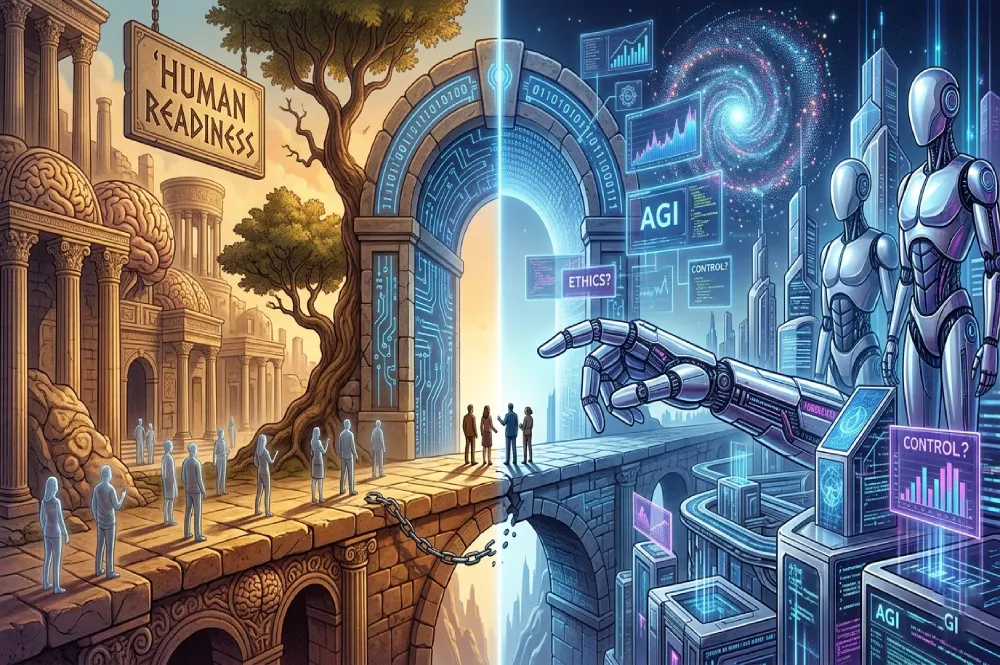
We are living in an era of “fast-changing technology” where the boundary between science fiction and reality is blurring. A few years ago, the idea that Artificial Intelligence (AI) could take over world functions was a plot for a movie; today, it is a serious conversation in every boardroom. AI is doing wonders, but as it accelerates, it leaves us with a haunting, unanswered question: Where will it stop, and what happens to the people who build our world with their hands?
The Construction Paradox: High-Tech Dreams vs. Low-Tech Reality
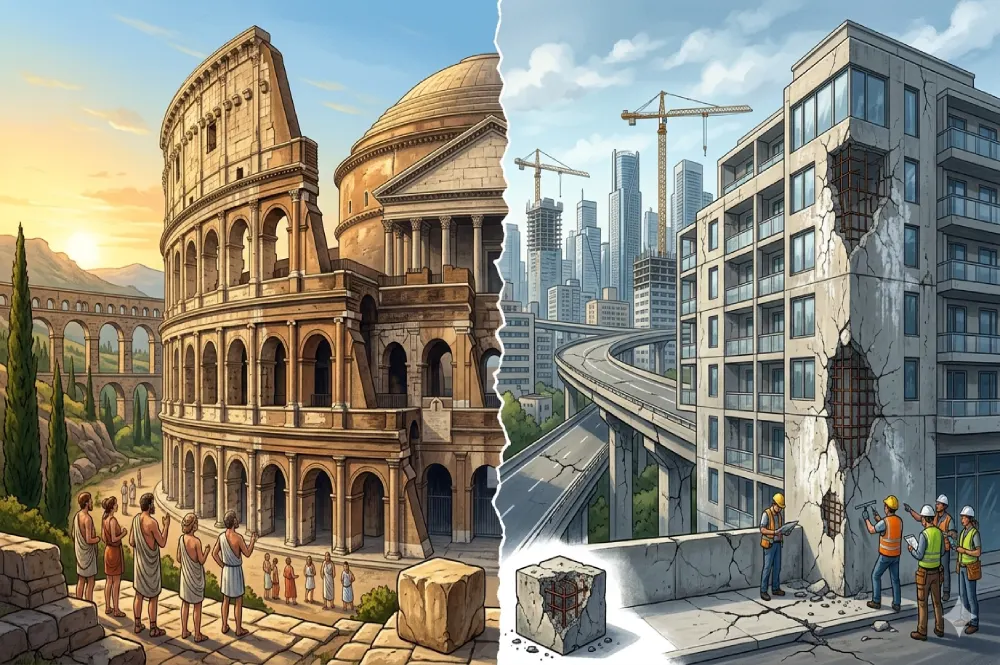
As an Indian professional in the construction sector, I see a startling contrast every day. While the global conversation is about 3D-printed skyscrapers and autonomous plastering machines, the Indian construction site remains heavily dependent on a vast force of skilled and unskilled labor.
We often look at advanced countries and wonder why we aren’t there yet. We are behind in automation not because we lack the desire, but because of a complex web of cost inefficiency, procurement hurdles, manufacturing gaps, and political indecision. In India, labor is currently cheaper than a high-end 3D printer. But this is a temporary shield. Technology doesn’t wait for a country to be “ready”; it eventually becomes so cheap and efficient that it forces its way in.
The Skill Gap: An Unfair Playing Field
When the “Technological Reset” fully hits, it won’t affect everyone equally.
For a “normal” educated person—a civil engineer, an accountant, or a doctor—the transition might be challenging but feasible. They can take an AI certification course, learn to prompt a machine, and switch roles. They have the linguistic and digital literacy to pivot.
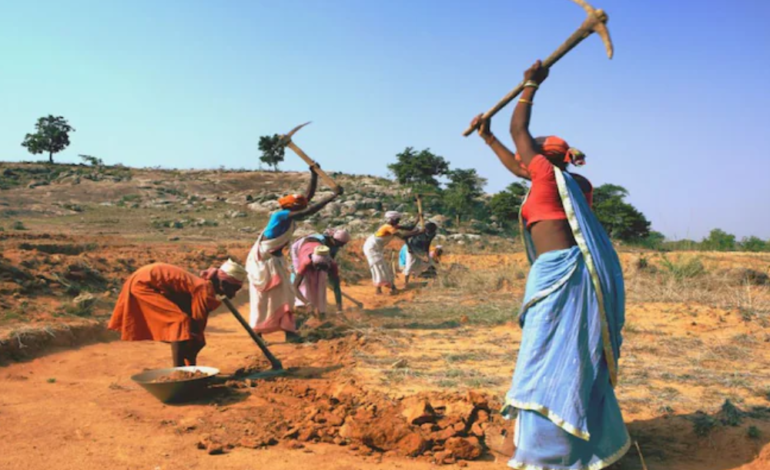
But what about the masons? The helpers? The tile-layers?
These are individuals who have spent decades mastering a physical craft. Unlike the “desk-based” workforce, their skills are tied to their muscles and their presence on-site. If a plastering machine can do the work of ten men in half the time, those ten men don’t just need a “course”—they need an entirely new way to survive.
Is Agriculture the Only Safety Net?
In the past, the rural labor force had a “fallback” in agriculture. If there was no work in the city, they went back to the fields. But today, not everyone has land. Even if they do, agriculture itself is facing a crisis of productivity and climate change.
Is improving the agricultural field the only solution? Or is it just a temporary bandage on a much larger wound? If we don’t diversify our solutions, we are essentially telling millions of workers that their only future is in a field that is already struggling.
The Unanswered Questions: A Call for Direction
Frankly, as I look at the horizon of 2026 and beyond, I don’t have the answers. But we must start asking the right questions:
- Preparation: Are we preparing our vast, uneducated labor force for a world where machines do the heavy lifting?
- Training: Is the government or the private sector thinking about training workers to operate advanced tools rather than compete with them? Instead of a mason being replaced by a machine, can he be trained to be the technician who manages the machine?
- Policy: Is there a decisive political roadmap to handle the massive displacement of labor that automation will inevitably cause?
The Human Centered Approach
In Indian philosophy, we often talk about the dignity of labor. If we move toward a “Principle-Centered” approach to technology, we must ensure that “efficiency” does not come at the cost of “humanity.” We cannot have a “developed” India that has no place for the very people who built its foundations. The challenge is not just technical; it is moral. We are heading toward a reset. Whether that reset leads to a more prosperous society or a deeper social divide depends on whether we start answering these questions today.