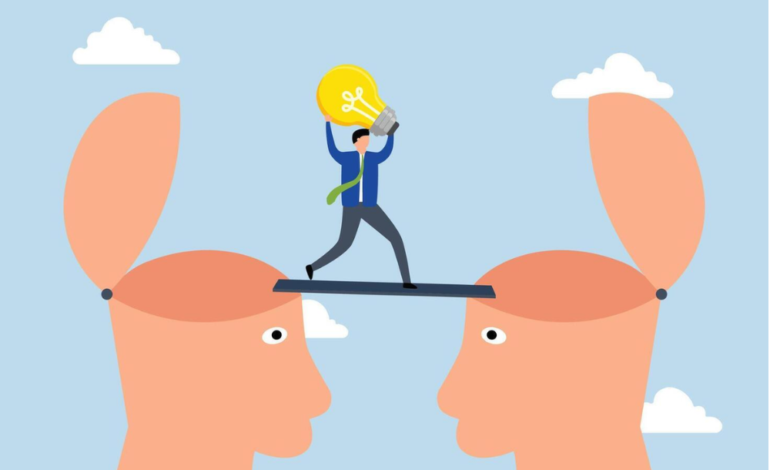
From Head To Heart: The Bridge Between Knowing And Understanding

We often claim to “understand” things. We nod our heads when people speak; we read articles and agree with the facts; we repeat common wisdom like “alcohol is bad for you” or “sugar causes health issues.” But there is a massive, often dangerous gap between knowing a fact intellectually and understanding it from the bottom of your soul.
What is that bridge? How do we move from simply hearing the truth to actually living it?
The Illusion of Surface Knowledge
Most of our knowledge is borrowed. We hear that alcohol is unhealthy, and we believe it. This is “surface understanding.” It is fragile because it hasn’t been tested.
True understanding, as the notes suggest, often comes from the trenches of experience. The person who truly understands the nature of addiction isn’t the one who read a pamphlet about it—it is the person who has “seen the ill effects, experienced the taste, the trap, the habit, and the consequences.” They have witnessed it and lived it.
For the person who has merely heard about it, the danger is abstract. For the person who has lived it, the danger is visceral. This is the difference between reading about fire and being burned.
The Diabetic’s Dilemma: When “Knowing” Isn’t Enough
The notes bring up a powerful example: A diabetic who loves sweets.
This person possesses all the intellectual data. They know they have diabetes. They know sugar will damage their body. Yet, they continue to eat the sweets. Why?
This reveals a crucial truth about human nature: Information does not equal transformation.
If understanding were just about facts, the diabetic would stop eating sugar immediately. But they don’t, because they are trapped by habit. The habit lives in the body and the subconscious, while the “knowledge” lives only in the logical mind. The habit is louder than the logic. In this state, the person is not just “stubborn”—they are, in a sense, a “patient.” They have lost the agency to understand deeply enough to act.
The Solution: Surrendering to Guidance
So, how do we bridge the gap? How do we gain that deep, heart-level understanding without destroying ourselves in the process?
The notes offer a profound solution: We cannot always bridge the gap alone.
When we are stuck in the “habit” loop—where we know what is right but do what is wrong—we are not in a condition to “understand by ourselves.” Our internal compass is broken. The “best way,” as suggested, is to seek external anchors:
- The Doctor: For physiological healing.
- The Leader/Mentor: For guidance and perspective.
- The “Person with the Solution”: Someone who has already walked the path.
Lets take another example of social media.
Just like the diabetic knows sugar is bad but eats it due to a physical compulsion (habit/addiction), we often know social media distracts us, yet we scroll anyway.
Here is a specific example illustrating this “Knowing vs. Understanding” gap using Infinite Scroll.
The Mechanism: The “Bottomless Bowl”
There is a famous psychological experiment where people eating soup from a “bottomless bowl” (which secretly refilled from the bottom) ate 73% more than those with normal bowls. They didn’t stop because they never saw the bottom.
Social Media is the digital bottomless bowl.
The Scenario: The 11:00 PM Loop
The Knowing (Intellect): It is 11:00 PM. You have an important meeting at 9:00 AM. You know logically: “I need 8 hours of sleep. If I don’t sleep now, I will be tired and perform poorly.”
The Habit (The Trap): You pick up your phone “just to check one notification.” You open an app (Instagram/TikTok/X).
- The Trigger: A red notification badge or a moment of boredom.
- The Action: You scroll.
- The Reward: You see a funny video or an interesting post. Your brain gets a hit of dopamine (sugar for the brain).
- The Trap (No Stopping Cue): In the past, reading a newspaper had a “stopping cue”—you reached the end of the page. Infinite scroll has no stopping cue. The next video loads automatically. The feed never ends.
The Result: Suddenly, it is 1:00 AM. You didn’t “decide” to stay up. You lost the ability to decide because the design of the app bypassed your logic and hooked directly into your dopamine receptors.
Applying Your “Treatment” Solution
“He is not in a condition to understand by himself… the best way is to take treatment with… a person with solution.”
Applying this to the social media loop:
- The “Patient” Approach: Trying to use willpower (“I will just stop scrolling”) usually fails, just like the diabetic trying to “just resist” sugar.
- The “Treatment” Approach: You surrender control to an external system (the “Doctor” or “Leader”).
- Example: You use an app blocker that hard-locks your social media apps at 10:30 PM. You literally cannot open them.
- The Outcome: The external “leader” (the blocker) forces the habit to break. Once the habit is broken, your mind clears, and you regain the “understanding” to sleep on time.
Clarity Follows Control
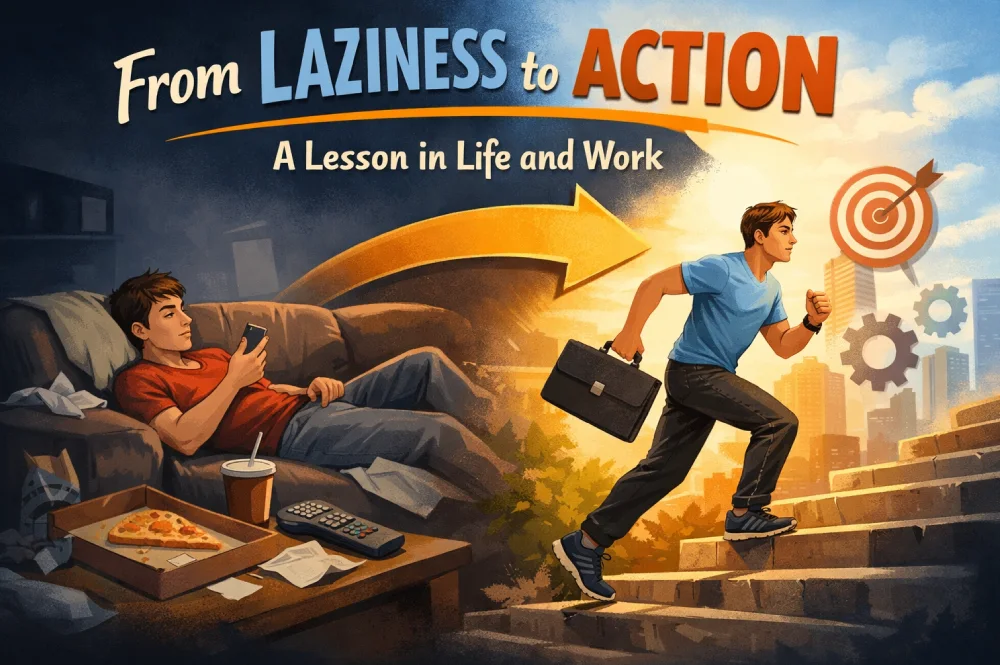
We often think we need to understand before we act. But sometimes, we must act (by seeking help, or following a guide) before we can understand.
Once he controls the habit, he can focus. We must often surrender our bad habits to the care of a guide or a system first. Only when the fog of compulsion lifts—when the diabetic puts down the sweet, or the drinker puts down the bottle—does the mind clear up enough to truly, deeply understand “from the bottom of the heart.”
True understanding isn’t just a thought; it is clarity of action.